Our Tips
Practical advice for Nosy Be
Use the island’s main areas to plan transport, choose where to stay and avoid unnecessary backtracking. The sections below cover seasons, cash, health and a short packing list.
1) Plan around four areas
Grouping nearby stops saves time:
Hell-Ville (Andoany) – practical zone
Logistics, banks, markets, withdrawals, pharmacy and services. Ideal to do in one visit at start or end of stay.
Ambatoloaka + Dar es Salaam + Madirokely – beach/resto/nightlife zone
Main tourism hub: restaurants, evening life, beach walks, convenience and comfort.
Around Dzamandzar – calm + resorts zone
The area around Dzamandzar, including Ambaro, Mangabe and Palm Beach, tends to be quieter and has several resorts.
Andilana (North) – postcard zone
"Big blue" atmosphere, ideal for slowing down. Practical needs should be planned earlier to avoid extra detours.
Nosy Be area map (Google Maps)
2) When to go (by travel style)
Dry season (roughly April → November): lower humidity, pleasant temperatures, calmer sea. Ideal for boat trips, snorkeling and excursions.
Rainy season (roughly December → March): warmer and more humid, with tropical showers (often late in the day). The island is greener and beautiful, but some sea activities depend more on weather.
Quick read: if your plan is mostly "sea + excursions", target dry season. If you plan to rest, eat well and mix small walks and beach time, it works year-round.
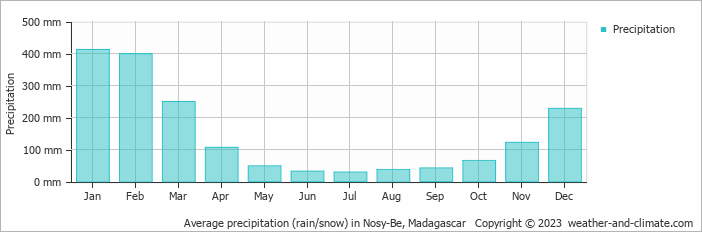
Monthly rainfall curve (external source)
Monthly average precipitation chart (mm) to help plan sea vs on-land days.
Monthly sunshine curve (external source)
Monthly average sunshine hours (hours/month), useful for planning beach and walking windows.

Rain peak: 412 mm in Jan, lowest: 29.1 mm in Jul. Sunshine: 285 h in Aug, 171 h in Feb.
Source: average climate data (10+ years) from weather-and-climate.com.
3) Arrival & transport: simple if you use the right habits
Airport & transfers
Most comfortable: arrange transfer in advance (via your hotel or provider). You arrive, drop luggage, then start smoothly.
Tuk-tuk: golden rules
- Always tell the destination and confirm the price before boarding.
- Group "practical" trips (withdrawal + market + pharmacy) into one window instead of splitting over 3 days.
If you need your own vehicle: half-day / full-day options are useful when chaining 3–4 spots.

4) Cash & budget: the time saver
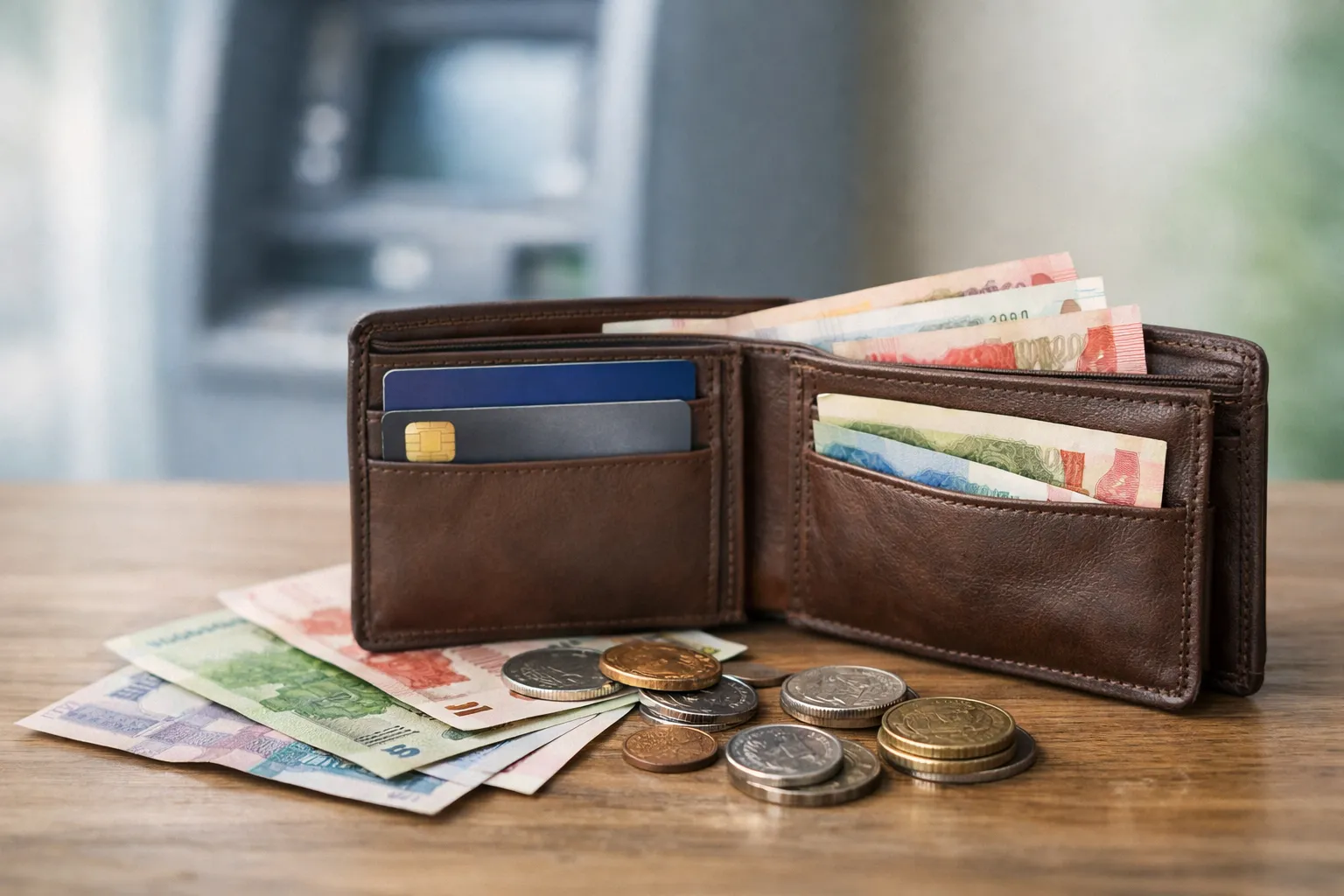
Carry cash. In Nosy Be, many places (small restaurants, markets, transport) still work mainly with cash.
Withdraw when possible, not when forced. Keep a small stack for 2–3 days plus small bills.
Simple rule: do one "Hell-Ville session" at the beginning (withdrawals + market + 2–3 useful items). Then travel lighter.
If needed, Ginot can help you arrange currency exchange for euros, dollars, pounds sterling or Swiss francs.
5) Where to stay (for your style)
Do you want atmosphere, walk around on foot, and pick your restaurant without thinking?
→ Ambatoloaka / Dar es Salaam / (central) Madirokely.
Do you want calm, while staying close to restaurants and the beach?
→ North Madirokely (more relaxed). Note: on Sundays, the beach gets lively around “Chez Tatie Chris” (very festive local vibe).
Do you want a calm resort-style vibe, and stay away from too much noise?
→ The Dzamandzar area (Ambaro, Mangabe, Palm Beach).
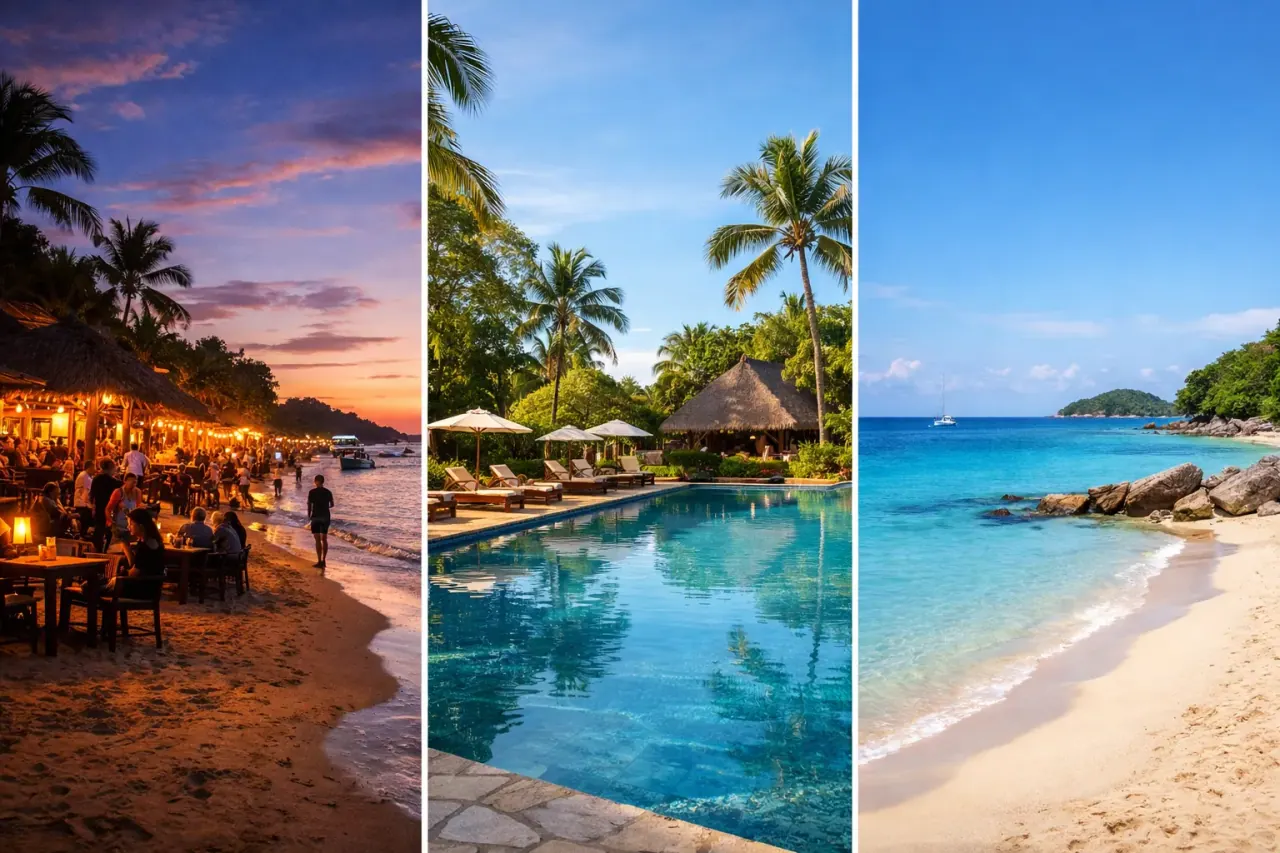
Do you want the great blue, the most “wow” beaches, and just relax?
→ Andilana.
Need maximum practicality (banks, market, pharmacy)?
→ close to Hell-Ville (best for frequent movement, short stays, logistics-heavy trips).
6) Pharmacies and healthcare
Good news: for everyday minor issues, you can often find the essentials in a pharmacy (pain/fever, simple digestive issues, antiseptic, bandages, etc.).
On the other hand, if you have a treatment you shouldn't interrupt or are looking for something very specific (dosage, brand, rare product), the easiest is often to go to Hell-Ville or Ambatoloaka: these are usually the best-stocked pharmacies.
Sundays, nights and holidays: there is an on-call pharmacy system. The quickest way is to ask your hotel / your guide / your driver which pharmacy is on call this week.
7) Eat & go out: where it happens (without a directory)
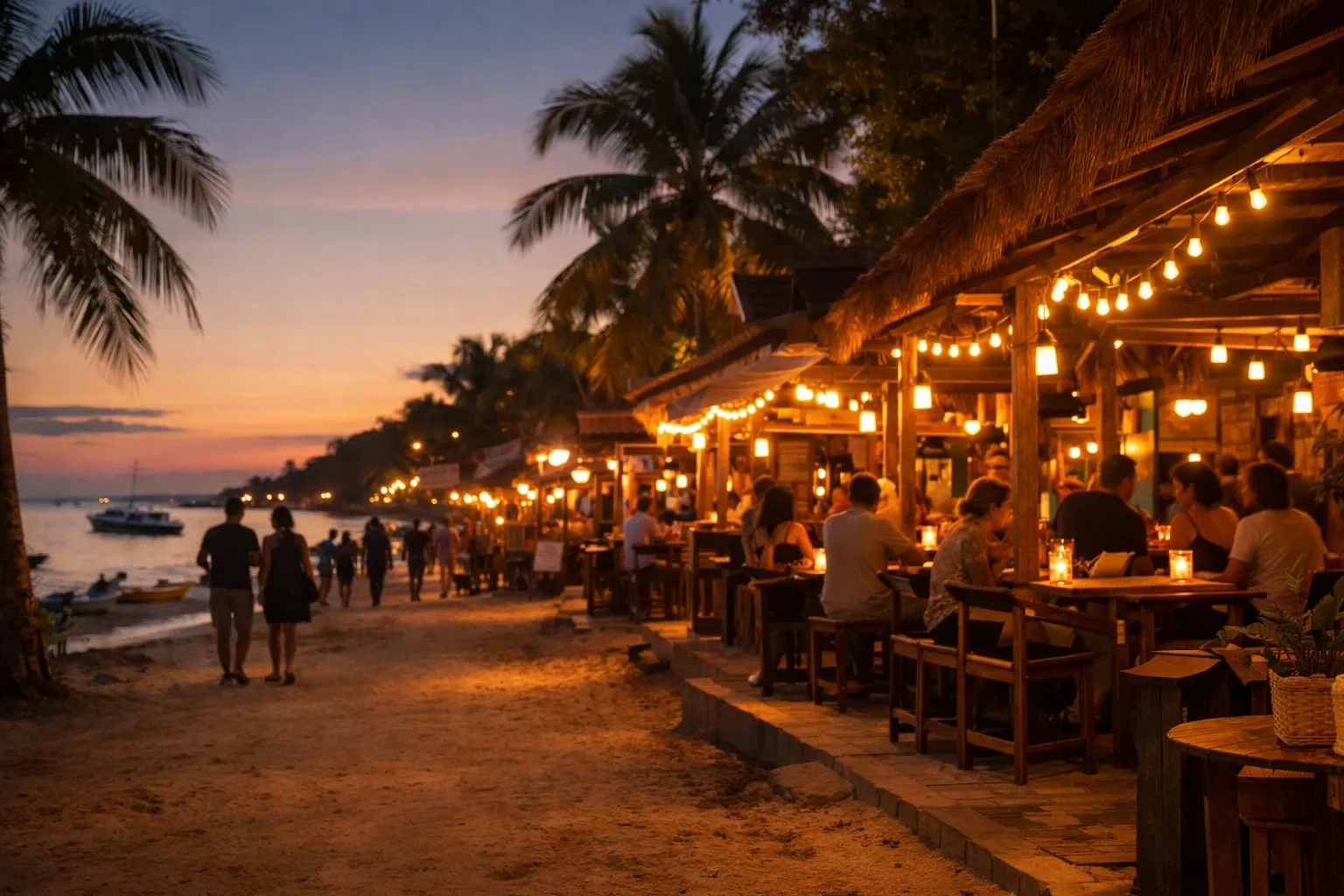
For evening / restaurants / bars: Ambatoloaka is the easiest zone. And around Dar-es-Salaam (between Ambatoloaka and Madirokely), it's often lively too.
For a more relaxed atmosphere: Madirokely is generally quieter, more “family,” especially if you stay a bit north of the beach.
Small exception: on Sundays, the beach can become very lively around Chez Tatie Chris (local atmosphere, music, beach party).
For a resort / calm sunset vibe: the Dzamandzar / Ambondrona area (Ambaro, Manga Be, etc.) and the North (Andilana) are perfect: you eat well, you unwind, you wake up happy.
For “local” food and a full dose of life: Hell-Ville (market, small places, lively daytime). Ideal to combine with a practical morning.
8) Packing checklist
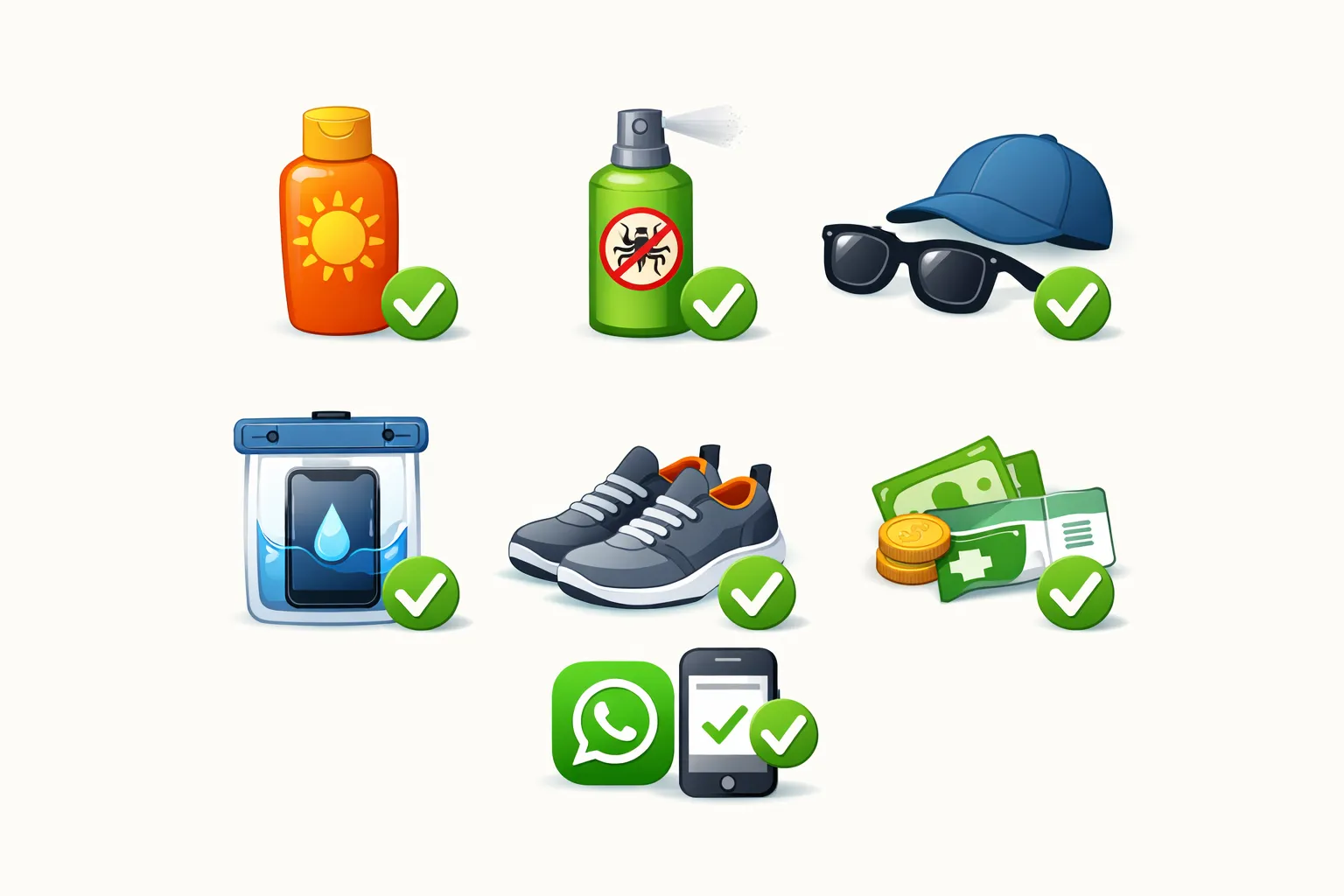
- Sunscreen + mosquito repellent
- Sunglasses / hat
- Waterproof pouch (phone / papers) for sea outings
- Light shoes (for walks / viewpoints)
- Some cash + small bills
- WhatsApp confirmation the day before (tours, transfers): simple and effective
If you tell me where you stay (zone) + how many days, I can build an itinerary that limits unnecessary travel (excursion order + logistics windows + best evening zones).
See also: Nosy Be practical guide.